
| Meno-Wars
Battling the menopause with ADHD (and its comorbidities).
ADHD is a challenge. Menopause is a challenge. Together, it can feel like…
a full-blown war!
Order your copy, today!
This is not a polite handbook. Meno-Wars calls out all the confusion, the neglect, and the entrenched misogyny that still shape women’s healthcare. It demands better: joined-up care from GPs, gynaecologists, and psychiatrists, along with anyone else brave enough to enter the battlefield.
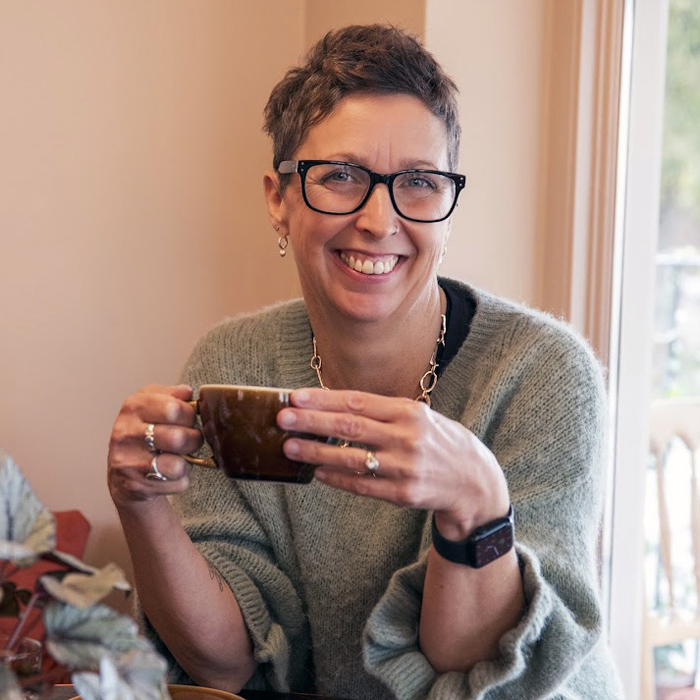
Written by Chantelle Knight, PG Dip Clinical Psychiatry and MSc Neuroscience and Psychology of Mental Health, together with Sharon Worth, an award-winning women’s wellbeing and hormones coach, Meno-Wars is part survival guide, part rallying cry.
Packed with many practical, brain-friendly strategies that actually work, Meno-Wars is for women who are tired of being dismissed — and for those professionals who want to understand and support them better.
Meno-Wars is available now:
160+ Pages
Combining decades of professional practice, with lived experience of menopause and neurodivergence.
13 Chapters
Covering a wide variety of complex topics, including Understanding ADHD, Cognitive Fog, Hormone Replacement.
FREE Resources
A series of 12 resources, to further your reading — each of which is available to download today, for FREE!
About Meno-Wars
What happens when two of life’s biggest disruptors collide? For women with ADHD, the arrival of menopause — along with its common companions of anxiety, depression, and other comorbidities — can feel like a perfect storm. Brain fog deepens, emotions swing harder, and the strategies that once worked can suddenly fall apart. And yet, instead of being met with understanding, too many women are left to navigate a healthcare system that treats their struggles in isolation.
Meno-Wars is here to change that!
Written by Chantelle Knight, PG Dip Clinical Psychiatry and MSc Neuroscience and Psychology of Mental Health, together with Sharon Worth, an award-winning women’s wellbeing and hormones coach, their combined lived experience of menopause and neurodivergence, supported by decades of professional practice, offers a uniquely credible and grounded perspective. Together, they bring deep expertise and real-world understanding to guide women through this complex chapter.
This book is equal parts survival guide, practical toolkit, and powerful call for change. It blends compassionate insight with strategies created specifically for neurodivergent brains — approaches that are simple, realistic, and genuinely doable. From navigating daily overwhelm to redefining what self-care truly means, it offers tools to help women not only cope, but find ways to thrive through one of life’s most demanding chapters.

Nicola
Amazon | 16 November 2023
I’m so glad I found this book. It’s helped me make sense of so many elements of my menopause journey, and I feel more empowered now. I love that it’s an […]
Sophie Cartledge
Amazon | 18 January 2026
If you find yourself in perimenopause and ADHD, especially if you are only discovering this about yourself now, this is a great read. Part manual, part guide […]
Lizzie
Amazon | 20 November 2025
Recently purchased Meno-Wars and honestly, it has been a revelation. I was only recently diagnosed with ADHD, and suddenly so many things from my […]
Who It's For
Meno-Wars goes further than the personal. It shines a spotlight on the systemic failings that leave women unsupported: the lack of joined-up care between GPs, gynaecologists, psychiatrists, and other specialists; the entrenched misogyny that continues to shape most research priorities and medical practices; and the urgent need for a multi-faceted, collaborative approach to women’s health.
This book is for:
- Women navigating menopause with ADHD and its comorbidities, who want validation, understanding, and practical strategies that actually work.
- Health professionals — from doctors and therapists to coaches and educators — who want deeper insight into the lived reality of their patients and clients.
And while the subject matter is serious, Meno-Wars is anything but heavy. It has been written with warmth, humour, and accessibility — the kind of book that makes you feel understood, seen, and less alone. Expect a few laughs, a lot of nodding along, and that sense of relief that finally, someone gets it.
Meno-Wars is more than a guide. It’s a manifesto for better care, greater understanding, and a future where women are seen, heard, and supported as whole people.
Because women deserve more than survival.
They deserve respect, joined-up care, and the chance to thrive.
Meno-Wars isn’t just about surviving; it’s about changing the rules of the fight.
Authors

Menopause isn’t the end of your story; it’s the point where you take the pen back.
FREE Resources
A series of 12 resources, to further your reading — each of which is available to download today, for FREE!
BPD Spectrum
(Worksheet)
By mapping Borderline Personality Disorder (BPD) features, you can identify where difficulties cluster, prioritise the toughest areas, and design skills-based experiments to try between sessions.
Exercise Menu
Sheet
Each day, choose 1 activity, mixing high-intensity and gentle options across the week, and focusing on consistency, not perfection. Note: Tiny wins count—even a 5-minute walk is movement.
How to Chat with Your GP
(Info Sheet)
If you think you are going through perimenopause or menopause, and it’s starting to affect your daily life, it’s a good idea to book an appointment with your doctor or a menopause specialist.
How to Chat with Your GP (Support Planner)
Medical appointments can be brief, and if symptoms overlap—ADHD and menopause, etc.—it’s easy to lose track. This planner helps you to stay focused, feel heard, and leave with a clear next step.
How to
Cycle Sync
By adjusting your food, movement, rest, and focus to match the natural rhythm of your hormones, cycle syncing helps you work with your monthly energy shifts, rather than fighting against them.
How to Write a
Menopause Policy
If you’re feeling a little out of your depth writing a menopause policy, you’re not alone. Without expertise or experience, many businesses worry about doing the wrong thing in regard to menopause.
Menopause at Work:
Employee’s Guide
If you find yourself struggling at work due to menopause, it’s best to have an open conversation with your manager. Addressing the issue early can make things easier for you, as they may be able to help.
Menopause at Work:
Employer’s Guide
If you notice one of your employees struggling, have a chat with them. Don’t assume it’s menopause but, if it is, share your Menopause Policy with them to show the support you have available for them.
Menopause
Symptom Log
Menopause symptoms fluctuate day by day and month by month. Tracking them helps you separate random bad days from true patterns—giving your clinician a clear picture of what’s happening.
My Stress Container
(Worksheet)
Tracking things which add pressure to your week will help you identify habits that keep your stress high, even when “resting.” With this data, you will be able to identify changes which would benefit you.
PMDD
Profile
Your Premenstrual Dysphoric Disorder (PMDD) symptoms will vary, when you’re both at home and at work. Recognising these differences will enable you to implement small, realistic supports more easily.
React vs
Respond
When emotion surges, the brain’s alarm grabs the steering wheel and your prefrontal cortex (planning and filtering) goes offline. But “Observe, don’t absorb” helps, by creating a tiny pause!
ORDER YOUR COPY, TODAY!
Meno-Wars is available to order now, for only £17.99 RRP
(plus shipping, where applicable)
